Zero-waste as a concept is often presented as a lifestyle overhaul requiring significant expense and access to specialist shops. In practice, the kitchen is the single highest-impact room in a household for waste reduction, and many of the effective changes cost nothing or save money over time. This article outlines the habits and infrastructure that yield measurable reductions in kitchen waste within a Czech household context.
Understanding the Czech Waste Landscape
Czech households produced an average of 339 kg of municipal waste per person in 2022 according to Eurostat data. Organic (biowaste) accounts for roughly 35–40% of that total by weight. The Czech Republic introduced mandatory biowaste collection for municipalities with over 2,000 inhabitants through Act No. 541/2020 Sb. (Waste Act), which took effect in stages from 2021.
As of 2024, brown biowaste bins (hnědá popelnice) are available in most Prague districts and major cities including Brno, Ostrava, and Plzeň. Rural areas lag in collection infrastructure, making home composting the practical alternative for households with outdoor space.
What goes into the brown bin
- Vegetable and fruit peelings
- Coffee grounds and paper filters
- Tea bags (without metal staples)
- Eggshells
- Bread and grain products
- Cut flowers and houseplant soil
Meat, fish, dairy, and cooked food waste should not go into most Czech brown bins — check your municipality's specific sorting guide, as rules vary by collection operator. Prague's sorting rules are maintained at nasvozejk.cz.
Home Composting
For households with outdoor access, a compost bin or heap handles vegetable peelings, garden trimmings, and paper waste with no ongoing cost after setup. Prague 10 and several other districts offer subsidised compost bins (kompostéry) to residents — applications are typically accepted through the city district office websites.
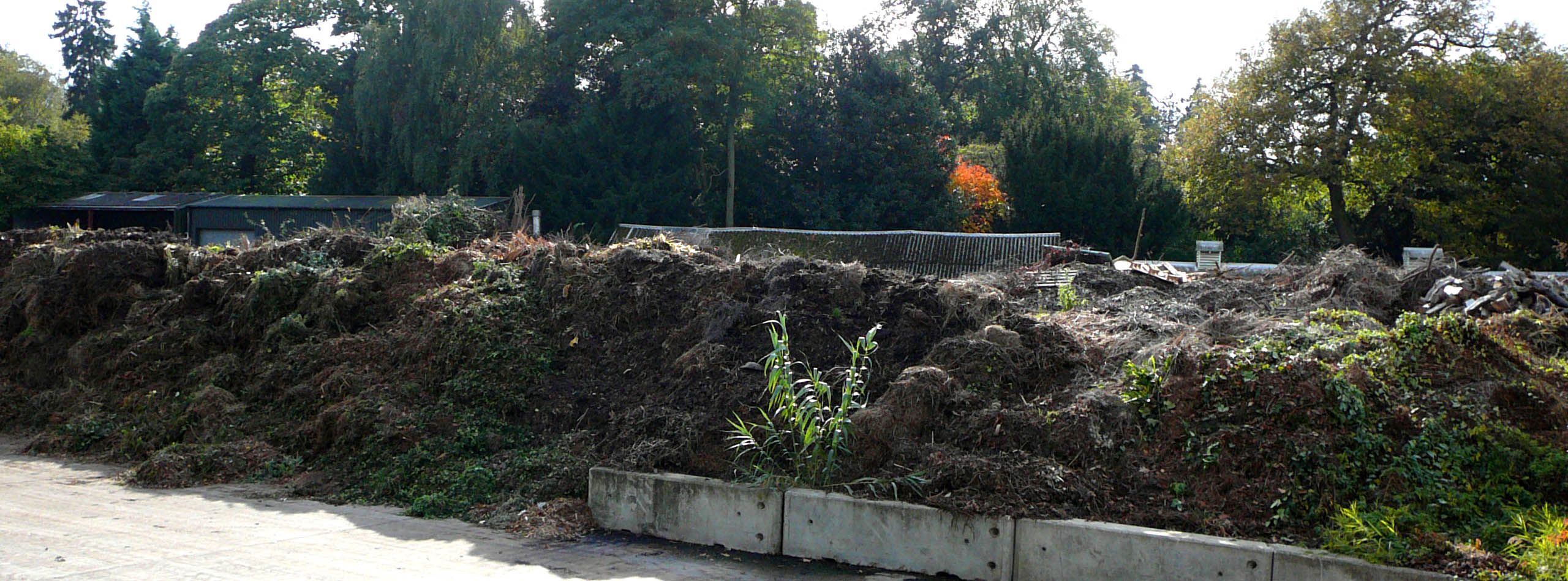
A functional compost heap requires three things: a balance of carbon-rich (brown) and nitrogen-rich (green) materials, sufficient moisture (roughly 50–60% water content, similar to a wrung-out sponge), and occasional turning to introduce oxygen. The carbon:nitrogen ratio should be roughly 30:1 by weight. Kitchen peelings are nitrogen-rich; cardboard, dry leaves, and wood chips provide carbon. A heap that smells of ammonia has too much nitrogen — add cardboard. A heap that is not heating up needs more nitrogen input.
Reducing Food Packaging at the Source
Bulk purchasing reduces the amount of single-use plastic entering the household at the purchasing stage. Czech zero-waste shops operating on a bring-your-own-container model include:
- Bezobalu — four Prague locations and one in Brno; sells dry goods, liquids, and cleaning products in refill format
- Nul Odpadu — online and physical presence in Brno, including household cleaning product refills
- Ekospotřebitelé — cooperative buying group operating in several Czech cities, sourcing organic dry goods with minimal packaging
Farmers' markets (farmářské trhy) are a practical alternative for fruit, vegetables, and bread without plastic packaging. Prague markets at Náměstí Jiřího z Poděbrad, Kulaťák, and Tylovo náměstí operate weekly and include vendors who accept reusable containers.
Reusable Storage Containers
Replacing single-use plastic film and bags in the kitchen with reusable alternatives eliminates a consistent daily source of waste. Practical replacements used in Czech households include:
- Glass jars — widely available second-hand at thrift shops (second-hand obchody) and directly reused from purchased food products; suitable for dry storage and refrigerated items
- Beeswax wraps (včelí vosk) — available from Czech producers including Včelí zábal and through bio-shops; used to cover bowls and wrap cheese, bread, and cut vegetables; cleaned with cold water and mild soap
- Stainless steel containers — available at Ikea, bio-shops, and Czech eshops; suitable for freezing, oven use, and long-term dry storage
- Fabric produce bags — cotton mesh bags replace plastic produce bags at the market; available in drogeries including DM
Reducing Cleaning-Related Waste
Kitchen cleaning generates waste through paper towels, single-use wipes, and plastic packaging from cleaning product bottles. Each of these has a lower-waste substitute:
Dishcloths and cellulose sponges
Cotton or linen dishcloths last months with regular machine washing. Cellulose (viskóza) sponges biodegrade in compost over several months, unlike conventional polyurethane foam sponges. Czech brands including Spontex offer cellulose-only variants clearly marked on packaging.
Washing-up liquid concentration
Concentrated formulas used in smaller quantities per wash reduce both the volume of plastic packaging purchased and the load of surfactants entering the wastewater system. EU Ecolabel-certified concentrated dish soaps from Frosch are sold in Dm, Albert, and online at Mall.cz.
Paper towels
A set of 10–15 cotton cloths (hadrík) replaces paper towel use for surface wiping. A cloth used for one day and machine-washed at 60°C is equivalent in hygiene terms to paper. The environmental difference over one year: approximately 3–4 rolls of paper towels per household eliminated.
Measuring Progress
Tracking the volume of general waste (communal black or grey bin) over two to three months provides a practical baseline. Most Czech households using brown biowaste bins and bulk purchasing for dry goods report a 25–40% reduction in general bin fill rate within six months, based on self-reported data in a 2023 survey conducted by the Czech Environmental Information Agency (CENIA). The primary driver in most cases is biowaste diversion, not packaging reduction — which is consistent with the composition data for Czech household waste.
For authoritative sorting guidance specific to your Czech municipality, the national sorting database is available at tridimezasebou.cz, operated by the EKO-KOM packaging recovery system.